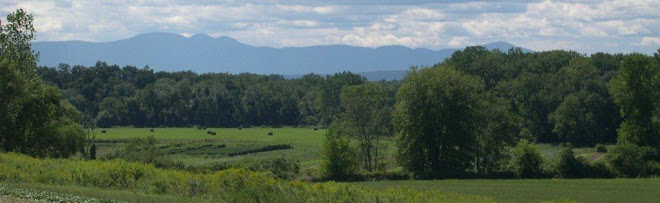
Thompson Finch Farm: Ancram, NY (southern Columbia County) Organic Pick Your Own Strawberries and Raspberries and a Farm Stand. Always call ahead to check on picking conditions at 518-329-7578. For directions visit their website at http://www.thompsonfinch.com/.
Indian Ladder Farms: Altamont, NY Pick Your Own Strawberries, Blueberries, Raspberries, and Apples and a Farm Stand. Call ahead at (866) 640-PICK. For directions visit their website at http://www.indianladderfarms.com/.
Stone Ridge Orchard, near New Paltz, NY Sustainably Grown Pick Your Own Strawberries, Pear, and Apples and a Farm Stand. Call ahead 845-687-4379 or visit their website at http://www.stoneridgeorchard.com/
Samascott Orchards, Kinderhook, NY Pick Your Own Strawberries, Blueberries, and Sour Cherries. Call ahead at 518-758-7224 or visit their website at http://www.samascott.com/.
Yonder Farms, Valatie, NY Pick Your Own Strawberries. Open most weekends during strawberry season. Roadside stand is on Route 9 just north of Valatie.
The Berry Farm, Kinderhook, NY Pick Your Own Strawberries and Blueberries and a Farm Store. Call for information at 518-392-4609
Tuesday, June 16, 2009

Week 2 Newsletter
So far, the weather has been great. Temperatures have been balmy and we’ve only had a few days that reached into the upper eighties or lower nineties. While April was an extremely dry month for us (hardly any precipitation) and May moderately dry, June has brought quite a few welcome showers. The dry weather in late May and early June allowed for great field conditions to plow and plant and to bale up most of our straw and first cutting of hay. Finishing the first cutting before the first vegetable delivery greatly reduces the stress on the farm. Most of the hay is sold to a local beef farm, some of it is stored for winter use for our sheep, and the rest is saved to use as mulch in the vegetable fields. We grow hay not only for the animals: it is an integral part of the farm.
The farm is about 300 acres, about 90 of which are devoted to vegetable crop production, 100 to hay, and about 50 to permanent pasture. To maintain fertility on the vegetable land, we import compost and plow under a significant amount of green manure. Green manure is basically a crop that is specifically grown to be plowed under in order to provide fertility to what we call a cash crop (a crop that is exported off the farm). On other farms, sorghum, buckwheat, soybeans, oats, barley, rye, field-peas, red clover, crimson clover, and ladino clover are strictly grown for feed or sold off the farm. At Roxbury Farm you will see those crops cultivated (as well as chickling vetch, hairy vetch, sweet clover, and bell beans) but strictly to help build soil fertility. True, we don’t plow under all of our green manure crops – the rye and hairy vetch are cut and pressed into 900-pound, round bales.
All of our green-manure mixes consist of a member of the grass family combined with a legume. Cereals, such as rye, contain a lot of lignin, which brings stable carbon into the farm, while the legumes, through their symbiotic relationship with rhizobia, help fix nitrogen. Like the green-manure plots, hayfields consist of a mixture of grasses and legumes. That particular mix is nature’s way of being most efficient.
About seven acres of vegetables are planted in non-GMO (Genetically Modified Organisms), corn-based mulch. At first glance, the product looks just like regular plastic, but over time it behaves quite differently. At the end of the season, it breaks down and becomes part of the soil. The dark black surface of the plastic absorbs heat more readily than bare soil, holds the moisture, and helps maintain the organic matter level. Naturally available nitrogen and phosphorus are better available in relatively warm soil. Cold soils do not allow naturally occurring nitrogen and phosphorus to become available to plants, which greatly reduces our ability to produce early crops in the spring. So we fool nature with the use of black
plastic and row covers by increasing the temperature of the soil.
Weeds in between the plastic can be a great problem, as the wheel tracks do not get the proper shade needed to suppress weed pressure. This can be a real dilemma; we space crops such as peppers, eggplant, tomatoes, etc., widely enough to increase air flow and light, but all that light allows weeds to continue to germinate. Once the peppers or tomatoes reach a certain height, we can no longer cultivate the wheel tracks with our tractors. Before you know it, you have a jungle in between the vegetable rows competing with the vegetables for light and nutrients, and creating moist conditions that induce plant diseases.
Conventional growers use an herbicide in between the plastic while organic growers generally despair and seek their cleanest ground for plasti-culture. It is therefore a myth that organic growers use plastic mulch as a form of weed control; yes, it is very effective around the plant, but it creates a huge problem in between the beds. We have experimented with all sorts of solutions, including the seeding down of annual rye grass and Dutch white clover. The thinking is that providing shade by growing another low-growing crop will reduce germination of new weed seeds. This is called living mulch, as opposed to dead mulch like straw, hay, or woodchips.
The suppression works well, except in wet years when the grass and or clover become so vigorous that they become a problem too. Lately, we have switched over completely to the application of dead mulch. At first, we bought in straw bales from a local grower. When that became cost prohibitive (about $1,500 an acre), we started growing our own rye straw. When we don’t make enough rye straw, we alternatively use an early first cutting of hay that is free of weed seeds. The hay mulch has proven to be a great alternative to the use of rye straw.
Last fall, we only had a few bales of rye straw left and Jody wanted to keep some in the barn for bedding for the sheep and pigs. As a result, the garlic was mulched partly with straw and mostly with grass-based hay. This spring, we were pleasantly surprised with the result: the garlic has never looked this healthy. While straw tends to steal nitrogen out of the soil in order to break down, the hay proved to be a source of nitrogen, creating lush growth while suppressing the weeds. The disadvantage is that it takes about twice as many bales to provide the same weed suppression as straw, because the hay tends to break down faster – but, on the other hand, we don’t have to apply any other fertilizer, because the hay feeds the crop.
Hay fields are self-sufficient in their need for nitrogen and carbon. Vegetables take a lot of nitrogen, while they generally exhaust the soil carbon. Removing the hay and applying it as mulch on the vegetables, along with the cultivation of green manures, greatly helps us to reduce our dependence on imported compost and other fertilizer. ~Jean-Paul
The farm is about 300 acres, about 90 of which are devoted to vegetable crop production, 100 to hay, and about 50 to permanent pasture. To maintain fertility on the vegetable land, we import compost and plow under a significant amount of green manure. Green manure is basically a crop that is specifically grown to be plowed under in order to provide fertility to what we call a cash crop (a crop that is exported off the farm). On other farms, sorghum, buckwheat, soybeans, oats, barley, rye, field-peas, red clover, crimson clover, and ladino clover are strictly grown for feed or sold off the farm. At Roxbury Farm you will see those crops cultivated (as well as chickling vetch, hairy vetch, sweet clover, and bell beans) but strictly to help build soil fertility. True, we don’t plow under all of our green manure crops – the rye and hairy vetch are cut and pressed into 900-pound, round bales.
All of our green-manure mixes consist of a member of the grass family combined with a legume. Cereals, such as rye, contain a lot of lignin, which brings stable carbon into the farm, while the legumes, through their symbiotic relationship with rhizobia, help fix nitrogen. Like the green-manure plots, hayfields consist of a mixture of grasses and legumes. That particular mix is nature’s way of being most efficient.
About seven acres of vegetables are planted in non-GMO (Genetically Modified Organisms), corn-based mulch. At first glance, the product looks just like regular plastic, but over time it behaves quite differently. At the end of the season, it breaks down and becomes part of the soil. The dark black surface of the plastic absorbs heat more readily than bare soil, holds the moisture, and helps maintain the organic matter level. Naturally available nitrogen and phosphorus are better available in relatively warm soil. Cold soils do not allow naturally occurring nitrogen and phosphorus to become available to plants, which greatly reduces our ability to produce early crops in the spring. So we fool nature with the use of black
plastic and row covers by increasing the temperature of the soil.
Weeds in between the plastic can be a great problem, as the wheel tracks do not get the proper shade needed to suppress weed pressure. This can be a real dilemma; we space crops such as peppers, eggplant, tomatoes, etc., widely enough to increase air flow and light, but all that light allows weeds to continue to germinate. Once the peppers or tomatoes reach a certain height, we can no longer cultivate the wheel tracks with our tractors. Before you know it, you have a jungle in between the vegetable rows competing with the vegetables for light and nutrients, and creating moist conditions that induce plant diseases.
Conventional growers use an herbicide in between the plastic while organic growers generally despair and seek their cleanest ground for plasti-culture. It is therefore a myth that organic growers use plastic mulch as a form of weed control; yes, it is very effective around the plant, but it creates a huge problem in between the beds. We have experimented with all sorts of solutions, including the seeding down of annual rye grass and Dutch white clover. The thinking is that providing shade by growing another low-growing crop will reduce germination of new weed seeds. This is called living mulch, as opposed to dead mulch like straw, hay, or woodchips.
The suppression works well, except in wet years when the grass and or clover become so vigorous that they become a problem too. Lately, we have switched over completely to the application of dead mulch. At first, we bought in straw bales from a local grower. When that became cost prohibitive (about $1,500 an acre), we started growing our own rye straw. When we don’t make enough rye straw, we alternatively use an early first cutting of hay that is free of weed seeds. The hay mulch has proven to be a great alternative to the use of rye straw.
Last fall, we only had a few bales of rye straw left and Jody wanted to keep some in the barn for bedding for the sheep and pigs. As a result, the garlic was mulched partly with straw and mostly with grass-based hay. This spring, we were pleasantly surprised with the result: the garlic has never looked this healthy. While straw tends to steal nitrogen out of the soil in order to break down, the hay proved to be a source of nitrogen, creating lush growth while suppressing the weeds. The disadvantage is that it takes about twice as many bales to provide the same weed suppression as straw, because the hay tends to break down faster – but, on the other hand, we don’t have to apply any other fertilizer, because the hay feeds the crop.
Hay fields are self-sufficient in their need for nitrogen and carbon. Vegetables take a lot of nitrogen, while they generally exhaust the soil carbon. Removing the hay and applying it as mulch on the vegetables, along with the cultivation of green manures, greatly helps us to reduce our dependence on imported compost and other fertilizer. ~Jean-Paul
Tuesday, June 9, 2009
Photos from the Farm


This spring we worked on updating our washing and packing areas. We poured cement for a new washing shed for the root washers. We will start on the walls and the roof soon. We also built a new completely washable wall in the washing and packing barn and installed new lights.
Week 1 Newsletter, June 8
Welcome to the 2009 season! We are excited for the first harvest after months of preparation. We have had a busy and productive spring and look forward to a great year.
Over the winter we received many concerned emails from you about food safety bills being debated in Congress. H.R. 875 was one that brought about the most controversy as we heard that the bill would outlaw organic farming and backyard gardening. We also heard that in order to grow greens we would soon have to plow up all of our grass strips and cut down the trees around the fields to prevent wildlife from coming into contact with our produce. We are supportive of stricter food safety guidelines, especially for the industrial sector of agriculture, but we were and are worried about how those laws could affect farms like ours. So, fearing the worst, we decided to educate ourselves on exactly what food safety guidelines and laws would mean for our farm.
In April, I attended a food safety workshop with four other organic farmers in our neighborhood and about 20 conventional farmers. Our regional Cornell Cooperative Vegetable Extension Agent, Chuck Bornt, organized the workshop to answer all of the questions that farmers were asking him. The food safety regulations, at this point, are only required by certain grocery store chains and large produce wholesalers and not the federal government. These regulations are called GAP (Good Agricultural Practices) Standards and are only concerned with microbial or chemical contamination of the produce. Some farmers’ markets in the Hudson Valley may also soon require GAP certification. There are many private institutions as well as the USDA that will certify your crops as GAP certified. Each crop a farmer grows needs to be individually inspected up to three times each season and the inspection costs $92 an hour plus driving to and from the farm. To be certified you need a written food safety plan that covers all aspects of harvesting and handling of the crops grown on a farm. A food safety plan is a good thing and most of the GAP guidelines are common sense and practical. At the workshop we had the chance to discuss our farming practices with GAP inspectors and food safety specialists. We will soon post ours on our website at www.roxburyfarm.com.
The five organic farms at the workshop posed unusual questions for the certifiers and experts. Such as, how do you feel about CSA members harvesting crops for the whole membership (i.e. when you come to a member workday to take part in the garlic, potato, sweet potato, or winter squash harvest)? They don’t like that idea as they see this as a huge risk for microbial contamination. We asked about written guidelines for incorporating animals into a farm. There aren’t any that address the needs of a farm to be more self sustaining with their fertility. One farmer asked about certifying a farm that grows 60 crops. Presently each crop would need to be certified individually. This is unpractical and unaffordable for most of the organic growers in our area. At this point there is no other alternative to the crop by crop inspection. This needs to be changed if farmers’ markets are going to require GAP certification or there won’t be any farmers at the market. The inspectors were open to a discussion about how we farm and said they will need to be educated about sustainable farming practices in order to certify our farms.
Our fears about the end of farming as we know it were unfounded (so far). There are no laws that require us to become GAP certified, although we do follow the guidelines that exist at this point. Educating ourselves about food safety helped us to make some changes on the farm. The food safety experts don’t want soil buildup in the packing barn. Our washing line for the greens, broccoli, peas, etc was in the same barn as the washing line for the root crops. They also want plastic walls that can be washed down. This spring we poured cement for a new washing shed for the root crop washers. We will begin construction on the roof and walls this week. We built a new wall in the washing and packing barn that is covered with white vinyl that is completely washable. We also installed new lighting in the barn that will allow us to do a better job of inspecting the produce. We hope these changes will result in a better product and at the same time has the benefit of a much more pleasant working environment.
We need to continue to be aware of what is going on with food safety legislation. We need to make sure that food safety experts and the lawmakers understand what it means to be sustainable and to look at a farm holistically. We need to make sure that they are just as concerned about the application of synthetic fertilizers, pesticides, and insecticides as they are about compost and organic soil amendments. Our attention to food safety is not only to prevent microbial contamination. We are also concerned with growing food in a way that improves soil health, provides habitat for beneficial insects, rare plants, and other wildlife, protects water quality, and allows you to have a connection to the land and people that grow your food. We hope you will continue to let us know about your concerns and that we can all be part of the dialogue to improve not only food safety but the sustainability of agriculture in the U.S. ~Jody
Over the winter we received many concerned emails from you about food safety bills being debated in Congress. H.R. 875 was one that brought about the most controversy as we heard that the bill would outlaw organic farming and backyard gardening. We also heard that in order to grow greens we would soon have to plow up all of our grass strips and cut down the trees around the fields to prevent wildlife from coming into contact with our produce. We are supportive of stricter food safety guidelines, especially for the industrial sector of agriculture, but we were and are worried about how those laws could affect farms like ours. So, fearing the worst, we decided to educate ourselves on exactly what food safety guidelines and laws would mean for our farm.
In April, I attended a food safety workshop with four other organic farmers in our neighborhood and about 20 conventional farmers. Our regional Cornell Cooperative Vegetable Extension Agent, Chuck Bornt, organized the workshop to answer all of the questions that farmers were asking him. The food safety regulations, at this point, are only required by certain grocery store chains and large produce wholesalers and not the federal government. These regulations are called GAP (Good Agricultural Practices) Standards and are only concerned with microbial or chemical contamination of the produce. Some farmers’ markets in the Hudson Valley may also soon require GAP certification. There are many private institutions as well as the USDA that will certify your crops as GAP certified. Each crop a farmer grows needs to be individually inspected up to three times each season and the inspection costs $92 an hour plus driving to and from the farm. To be certified you need a written food safety plan that covers all aspects of harvesting and handling of the crops grown on a farm. A food safety plan is a good thing and most of the GAP guidelines are common sense and practical. At the workshop we had the chance to discuss our farming practices with GAP inspectors and food safety specialists. We will soon post ours on our website at www.roxburyfarm.com.
The five organic farms at the workshop posed unusual questions for the certifiers and experts. Such as, how do you feel about CSA members harvesting crops for the whole membership (i.e. when you come to a member workday to take part in the garlic, potato, sweet potato, or winter squash harvest)? They don’t like that idea as they see this as a huge risk for microbial contamination. We asked about written guidelines for incorporating animals into a farm. There aren’t any that address the needs of a farm to be more self sustaining with their fertility. One farmer asked about certifying a farm that grows 60 crops. Presently each crop would need to be certified individually. This is unpractical and unaffordable for most of the organic growers in our area. At this point there is no other alternative to the crop by crop inspection. This needs to be changed if farmers’ markets are going to require GAP certification or there won’t be any farmers at the market. The inspectors were open to a discussion about how we farm and said they will need to be educated about sustainable farming practices in order to certify our farms.
Our fears about the end of farming as we know it were unfounded (so far). There are no laws that require us to become GAP certified, although we do follow the guidelines that exist at this point. Educating ourselves about food safety helped us to make some changes on the farm. The food safety experts don’t want soil buildup in the packing barn. Our washing line for the greens, broccoli, peas, etc was in the same barn as the washing line for the root crops. They also want plastic walls that can be washed down. This spring we poured cement for a new washing shed for the root crop washers. We will begin construction on the roof and walls this week. We built a new wall in the washing and packing barn that is covered with white vinyl that is completely washable. We also installed new lighting in the barn that will allow us to do a better job of inspecting the produce. We hope these changes will result in a better product and at the same time has the benefit of a much more pleasant working environment.
We need to continue to be aware of what is going on with food safety legislation. We need to make sure that food safety experts and the lawmakers understand what it means to be sustainable and to look at a farm holistically. We need to make sure that they are just as concerned about the application of synthetic fertilizers, pesticides, and insecticides as they are about compost and organic soil amendments. Our attention to food safety is not only to prevent microbial contamination. We are also concerned with growing food in a way that improves soil health, provides habitat for beneficial insects, rare plants, and other wildlife, protects water quality, and allows you to have a connection to the land and people that grow your food. We hope you will continue to let us know about your concerns and that we can all be part of the dialogue to improve not only food safety but the sustainability of agriculture in the U.S. ~Jody
Wednesday, February 18, 2009
Piglets


On January 29 and 30 the two sows had their litters. We have 15 plump and happy piglets running around the greenhouse. This is the first year that we have a Tamworth boar. Tamworths are a brownish-red heritage breed that do well raised outdoors and on pasture.
Tuesday, January 27, 2009
Enrollment Update
Thank you to all of the Roxbury Farm members who have re-enrolled for the 2009 season. We have a record number of 815 shares reserved for the 2009 season. One site, the Eileen Street site in Albany, is already full.
If you are presently a Roxbury Farm member and still want to sign-up for the 2009 season please send your form in as soon as possible. You only have a few more days to reserve your share before we open up membership to the general public. With only about 200 shares still available we are sure the spots will fill up quickly.
If you are not presently a member and are interested in signing up for the 2009 season, the 2009 enrollment forms will be available on our website, www.roxburyfarm.com , on February 1st. Download the form, fill it out, and send it to the farm to reserve your share.
If you are presently a Roxbury Farm member and still want to sign-up for the 2009 season please send your form in as soon as possible. You only have a few more days to reserve your share before we open up membership to the general public. With only about 200 shares still available we are sure the spots will fill up quickly.
If you are not presently a member and are interested in signing up for the 2009 season, the 2009 enrollment forms will be available on our website, www.roxburyfarm.com , on February 1st. Download the form, fill it out, and send it to the farm to reserve your share.
Monday, December 29, 2008
2009 Enrollments
Roxbury Farm members have until January 6th to reserve their share for the 2009 season. Starting Febuary 1st the general public can begin to enroll. We have a long waiting list so make sure you send in your enrollment form and deposit this week. After January 6th we can no longer guarentee that you will have a share for the 2009 season. Last year we had to turn away long time members because they did not enroll in time. Please don't let this happen to you! Contact the farm if you need an enrollment form or have questions about a payment plan.
If you are not already member our enrollment forms will be on our website at www.roxburyfarm.com on Feb. 1. Download the form, fill it out, and send it in.
If you are not already member our enrollment forms will be on our website at www.roxburyfarm.com on Feb. 1. Download the form, fill it out, and send it in.
Subscribe to:
Posts (Atom)